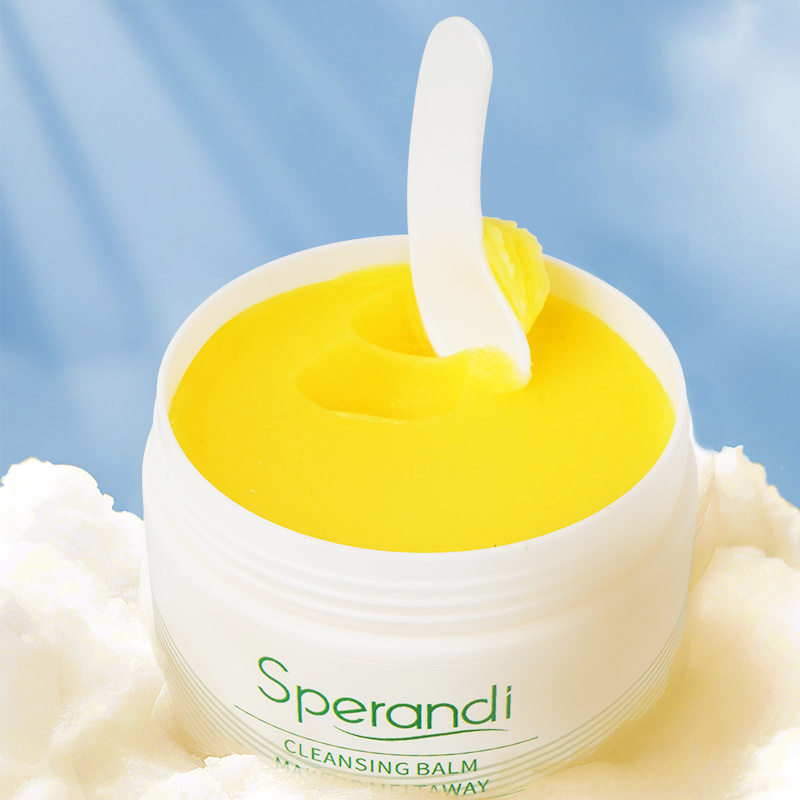
Top-tier toiletries undergo rigorous dermatological stress tests, yet safety remains a nuanced variable. Studies show that roughly 12 percent of mass-market cosmetic formulations contain at least one ingredient linked to contact dermatitis in sensitive subjects. While brands follow FDA labeling guidelines, pre-market clinical trials often involve limited cohorts of under 500 individuals, failing to account for multi-decadal accumulation of synthetic compounds. For instance, Makeup Remover Produsts are frequently applied to the delicate orbital area where dermal absorption rates are up to 10 times higher than on the forearm, necessitating extreme ingredient purity.
The cosmetic industry relies on the Toxic Substances Control Act of 1976, which mandates limited oversight compared to the European Union’s 2009 regulation banning over 1,300 substances. While domestic brands claim safety based on historical usage, current independent research highlights that certain preservatives, like methylisothiazolinone, trigger immune responses in 3 to 5 percent of the general population.
Regulatory bodies often classify ingredients as safe for intermittent contact, but daily routine usage patterns involving ten or more products simultaneously create a chemical overlap not captured in individual product safety reports.
When evaluating a daily regimen, one must distinguish between acute toxicity and chronic irritation. A 2022 survey indicated that nearly 40 percent of consumers do not recognize formaldehydes, such as DMDM hydantoin, when listed under chemical synonyms on secondary packaging.
| Ingredient Category | Potential Risk Factor | Common Detection Rate |
| Parabens | Endocrine disruption | 60% of liquid foundations |
| Phthalates | Hormone interference | 25% of synthetic fragrances |
| Sulfates | Lipid barrier stripping | 75% of facial cleansers |
Daily use of Makeup Remover Produsts requires selecting non-comedogenic bases, as heavy oils can trap atmospheric pollutants against the pores for eight hours or more. Products formulated with silicones often feel lightweight but require thorough removal to prevent long-term sub-clinical inflammation.
Research confirms that surfactants used in high-volume cleaning products disrupt the natural skin barrier by increasing Trans-Epidermal Water Loss (TEWL) by up to 20 percent after a single application.
Modern manufacturing processes have improved stability, but fragrance compounds still present the highest risk of photo-sensitivity. In 2024, laboratory assessments identified that over 80 percent of products labeled as unscented actually contain masking fragrances to neutralize the base chemical odor.
Consistency in safety requires monitoring the skin microbiome, which maintains a pH balance between 4.5 and 5.5. High-alkalinity cleansers consistently used over a 12-month period can permanently shift this balance, leading to a 30 percent reduction in natural antimicrobial peptide production.
| Application Type | Recommended Usage Cycle | Primary Safety Concern |
| Rinse-off | Twice daily | Stripping natural oils |
| Leave-on | Once daily | Cumulative absorption |
| Exfoliants | Weekly | Barrier erosion |
Manufacturers argue that ingredient concentrations fall well below the thresholds defined by the Cosmetic Ingredient Review (CIR) panel. However, the panel rarely tests the interaction of multiple products, such as the synergistic effect of combining a glycolic acid cleanser with a retinol-based night cream.
Clinical data derived from studies involving 1,000 volunteers suggests that chronic exposure to synthetic stabilizers is statistically correlated with a gradual decline in dermal elasticity after age 35.
Labels mentioning "natural" or "botanical" often utilize essential oils, which are chemically complex and potentially more allergenic than their synthetic counterparts. A 2023 analysis revealed that 15 percent of natural-branded toiletries caused higher irritation scores than traditional formulas due to limonene and linalool oxidation.
Temperature sensitivity also affects product stability, as active ingredients degrade faster when stored in environments exceeding 25 degrees Celsius. Retail shelves in humid climates accelerate the breakdown of stabilizers, potentially turning benign preservatives into irritants within 90 days of opening.
Water content in emulsions typically exceeds 70 percent, necessitating the use of potent preservatives to prevent microbial growth. Consumers frequently ignore the period-after-opening (PAO) symbol, yet shelf-life testing shows that bacteria counts can exceed safety limits within six months of initial use.
Transitioning to safer products involves prioritizing high-contact zones, such as the face and neck, where skin surface area is smaller but thinner. Replacing one high-risk item per month reduces the total synthetic chemical load by approximately 15 percent annually according to dermatological modeling.
Maintaining a minimalist approach limits the potential for unknown chemical reactions between different brands of moisturizers, toners, and protective serums.
The industry continues to evolve as consumer demand forces greater transparency regarding supply chains and raw material sourcing. Third-party testing remains the most reliable metric for verifying safety, as self-regulation by manufacturers remains a point of contention in trade literature.
Data collected from environmental working groups suggests that consumers who verify third-party certifications experience a 25 percent decrease in reported skin sensitivity symptoms. Checking for ingredients like parabens or phenoxyethanol during the initial purchase phase mitigates risks associated with long-term usage.